Nigeria's electricity tariff system underwent a major restructuring in April 2024 when the Nigerian Electricity Regulatory Commission (NERC) introduced Service-Based Tariffs (SBT). Under this system, what you pay per kilowatt-hour depends directly on how many hours of electricity supply you receive per day.
If you are a business owner or facility manager in Nigeria, understanding these tariff bands is essential for budgeting, cost planning and evaluating whether alternative supply arrangements could save your organisation money.
How Service-Based Tariffs Work
The SBT system classifies electricity consumers into five bands based on the minimum hours of supply they receive daily:
| Band |
Minimum Supply Hours |
Typical Areas |
| Band A |
20+ hours/day |
Premium commercial zones, high-income estates, some industrial areas |
| Band B |
16+ hours/day |
Well-served commercial areas, some industrial corridors |
| Band C |
12+ hours/day |
Mixed residential-commercial areas |
| Band D |
8+ hours/day |
Suburban and semi-urban areas |
| Band E |
4+ hours/day |
Rural and underserved areas |
The principle is simple: more supply hours justify higher tariffs. Where a DisCo fails to deliver the minimum hours for your band, NERC can adjust your rates after a 60-day performance review.
What Businesses Actually Pay per kWh (2026)
The approved tariff rates vary by customer class and band. Based on the most recent MYTO (Multi-Year Tariff Order) data:
| Customer Class |
Approximate Rate Range (Naira/kWh) |
| Residential (R2) |
42 to 68 |
| Small Commercial (C1) |
68 to 95 |
| Medium Commercial (C2) |
78 to 105 |
| Industrial (D3) |
90 to 115 |
| Band A (all classes) |
200+ |
Band A customers in commercial areas have seen rates climb to approximately 209.5 Naira/kWh as of early 2026. This is a significant increase from previous years and represents the true cost of 20+ hours of daily supply.
The Hidden Cost: Blended Electricity Rates
Published tariff rates tell only part of the story. Most Nigerian businesses do not receive enough grid supply to cover their needs. The typical commercial customer on the DisCo grid receives 4 to 8 hours of supply per day, regardless of their band classification.
This means most businesses pay two power bills:
- DisCo tariff for the partial grid supply they receive
- Diesel or gas generator cost for the remaining hours
When you combine both, the effective blended cost is much higher than published rates:
| Cost Component |
Rate (Naira/kWh) |
| Grid supply (DisCo tariff) |
68 to 209 |
| Diesel generator supply |
300 to 450 |
| Blended effective cost |
200 to 350 |
For a medium commercial facility consuming 5,000 kWh per month with only 6 hours of daily grid supply, the blended cost often exceeds 250 Naira/kWh once diesel expenses are factored in.
Band A vs Band B: Is the Higher Tariff Worth It?
Band A tariff rates are roughly double those of Band B. The question for many businesses is whether the additional hours justify the additional cost.
When Band A Makes Sense
- Your operations require consistent, uninterrupted power (data centres, hospitals, cold storage)
- You currently spend heavily on diesel backup, and the Band A grid supply could eliminate or reduce generator use
- The reliability of 20+ hours enables you to shut down expensive backup generators
When Band B May Be Sufficient
- Your operations can tolerate occasional interruptions with backup generators for critical loads
- You have existing generator infrastructure that covers the gap between 16 and 24 hours
- The cost difference between Band A and Band B tariffs does not offset your existing backup costs
The Break-Even Analysis
For a facility consuming 20,000 kWh per month:
| Scenario |
Monthly Cost Estimate |
| Band A (209/kWh, 20+ hours, minimal diesel) |
4,180,000 |
| Band B (95/kWh, 16 hours, moderate diesel) |
1,900,000 grid + 1,200,000 diesel = 3,100,000 |
| Band C (75/kWh, 12 hours, heavy diesel) |
1,500,000 grid + 2,400,000 diesel = 3,900,000 |
The economics depend heavily on your actual supply hours and diesel consumption. In many cases, Band B with efficient backup generation offers the best value. But as diesel prices continue to rise (reaching 1,200 to 1,500 Naira per litre in 2026), the Band A proposition becomes increasingly attractive.
How to Reduce Your Effective Electricity Cost
Beyond choosing the right tariff band, there are several strategies Nigerian businesses are using to manage energy costs:
1. Eligible Customer Route
Businesses consuming 6 MWh/h or more can apply for Eligible Customer status under NERC regulations. This allows direct purchase from generation companies, often at rates below standard DisCo tariffs.
2. Solar and Battery Storage
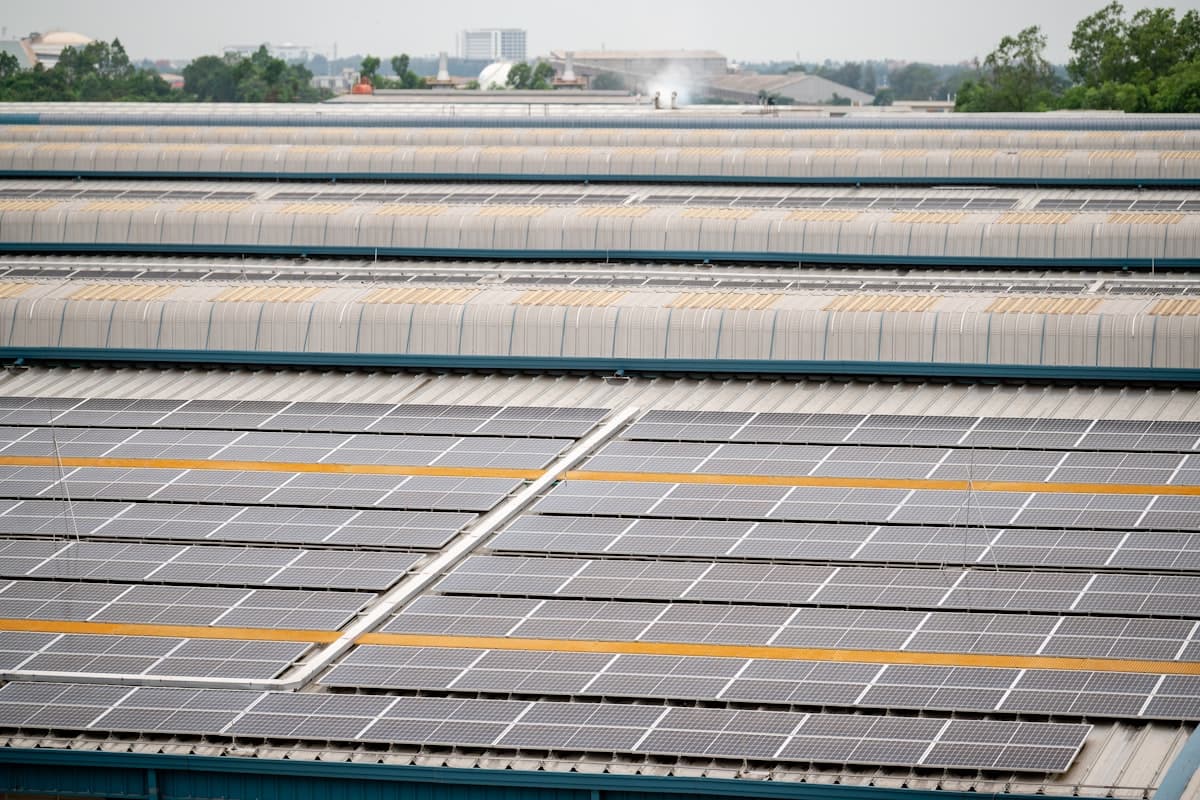
Commercial solar systems have reached payback periods of 3 to 4 years at current diesel prices. A 300 kW solar plus 200 kWh battery system can reduce grid and diesel dependency by 70 to 90 percent.
3. Energy Efficiency Measures
Simple measures like power factor correction, efficient lighting, variable speed drives on motors and smart building management systems can reduce consumption by 15 to 30 percent without significant capital investment.
4. Power Purchase Agreements (PPAs)
Some businesses are entering long-term PPAs with independent power producers, locking in predictable rates for 10 to 20 years.
What to Watch in 2026 and Beyond
Several developments will affect electricity tariffs in the coming months:
- NERC quarterly tariff reviews continue to adjust rates based on gas costs, exchange rates and operational efficiency
- Metering expansion under the DISREP framework is accelerating, reducing estimated billing
- Net Billing Regulations (effective June 2026) will allow businesses to export surplus solar power for bill credits
- State electricity markets are emerging in Lagos, Edo, Kaduna and Enugu, potentially creating alternative supply options
Getting Expert Help
Understanding electricity tariffs and optimising your energy spend requires expertise in both the regulatory framework and the commercial market. The wrong decision on tariff band, supplier choice or technology investment can cost millions of Naira annually.
Zenithwatts helps Nigerian businesses analyse their energy position, evaluate tariff options and identify the most cost-effective path forward whether that involves Eligible Customer supply, solar integration or demand-side management.
Contact us for a detailed assessment of your electricity costs and options.
 Articles