Every Nigerian business faces the same fundamental question: how do we keep the lights on at a reasonable cost? With grid supply unreliable, diesel prices climbing past 1,200 Naira per litre and solar technology becoming cheaper every year, the options have never been more varied or the stakes higher.
This article compares the three main power options available to Nigerian businesses in 2026: staying on the DisCo grid, running diesel generators and investing in solar plus battery storage. We break down the real costs, payback periods and hidden factors that affect your bottom line.
The Three Power Options at a Glance
| Factor |
DisCo Grid |
Diesel Generator |
Solar + Battery |
| Capital cost |
Low (standing charge only) |
Medium (genset purchase) |
High (panels, inverters, batteries) |
| Running cost per kWh |
68 to 209 Naira |
300 to 450 Naira |
90 to 150 Naira (amortised) |
| Supply reliability |
4 to 20 hours/day depending on band |
High (fuel dependent) |
High (weather dependent) |
| Maintenance |
DisCo responsibility |
Regular servicing required |
Minimal |
| Noise and emissions |
None at point of use |
Significant |
None |
| Typical payback |
N/A |
N/A |
3 to 5 years |
Option 1: Staying on the DisCo Grid
What It Costs
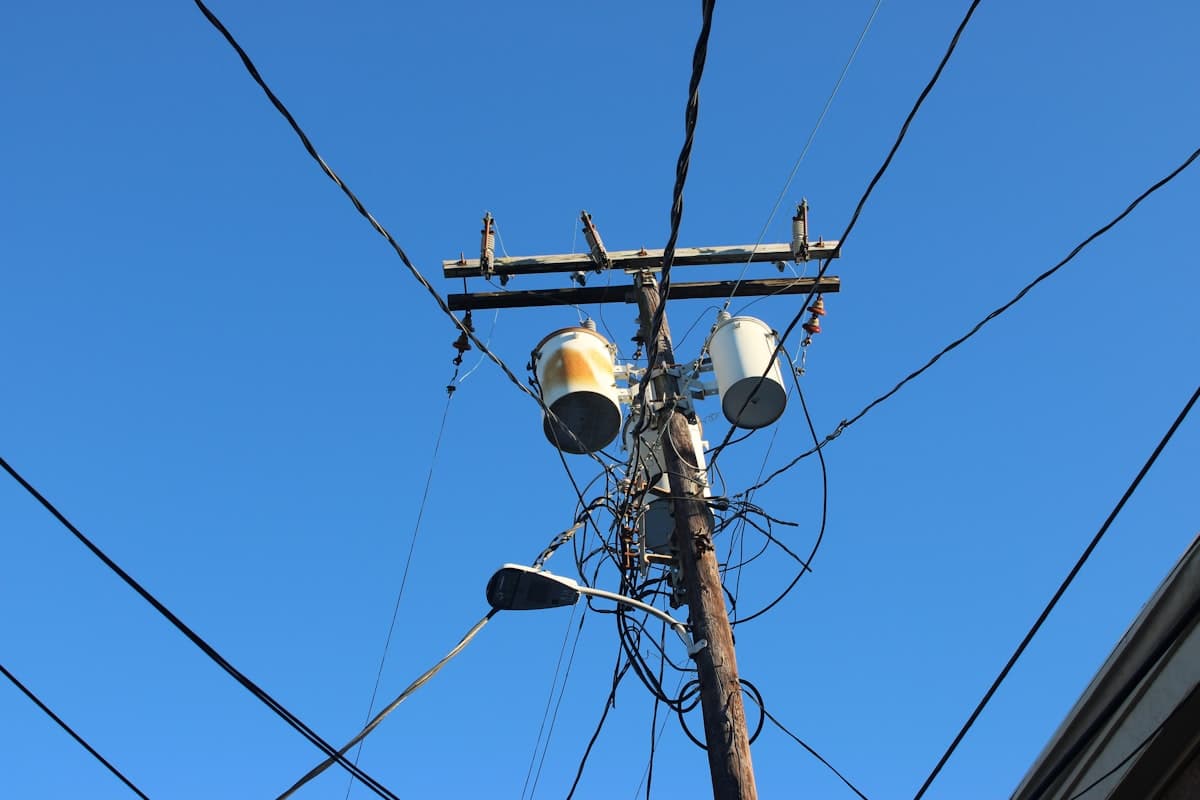
The DisCo grid is the default for most Nigerian businesses. You pay a standing charge plus a per-kWh energy charge based on your tariff band.
| Customer Class |
Tariff (Naira/kWh) |
| Small Commercial (C1) |
68 to 95 |
| Medium Commercial (C2) |
78 to 105 |
| Industrial (D3) |
90 to 115 |
| Band A (premium) |
200+ |
The Real Problem
The published tariffs assume you receive the supply hours your band promises. In practice, most commercial areas receive 4 to 8 hours of grid supply per day, regardless of band classification. This means:
- You pay standing charges for 24 hours of availability
- You receive a fraction of the supply you pay for
- You must invest in backup generation to cover the gap
When Grid-Only Works
- You are in a well-served Band A area with 20+ hours of supply
- Your consumption is low enough that backup costs are manageable
- You have no option for alternative supply (no space for solar, no gas supply for CNG)
Option 2: Diesel Generator Supply
What It Costs
Diesel generators remain the most common backup power source in Nigeria. The cost breakdown:
| Component |
Cost |
| Diesel fuel (2026 pump price) |
1,200 to 1,500 Naira/litre |
| Fuel consumption at rated load |
0.30 to 0.35 litres per kWh |
| Fuel cost per kWh |
360 to 525 Naira |
| Maintenance cost per kWh |
30 to 50 Naira |
| Capital depreciation per kWh |
40 to 60 Naira |
| Total cost per kWh |
430 to 635 Naira |
For a medium commercial facility running a 100 kVA generator for 12 hours per day:
| Item |
Monthly Estimate |
| Diesel consumption (420 litres/day x 30 days) |
12,600 litres |
| Fuel cost |
15,120,000 Naira |
| Maintenance allocation |
1,200,000 Naira |
| Total monthly cost |
16,320,000 Naira |
The Hidden Costs
Beyond fuel and maintenance, diesel generators carry significant hidden costs:
- Downtime during refuelling -- generators must be stopped to refuel
- Inconsistent voltage -- load fluctuations can damage sensitive equipment
- Noise pollution -- particularly problematic for hotels, hospitals and offices
- Carbon emissions -- increasingly relevant for ESG-conscious businesses
- Fire risk -- on-site diesel storage poses safety concerns
- Staffing -- generators require trained operators and maintenance technicians
When Diesel Makes Sense
- As a short-term bridge while evaluating solar or other alternatives
- For emergency backup only (running 2 to 4 hours per day rather than 12+)
- Where space constraints prevent solar installation
- In areas with no grid connection at all
Option 3: Solar Plus Battery Storage
What It Costs
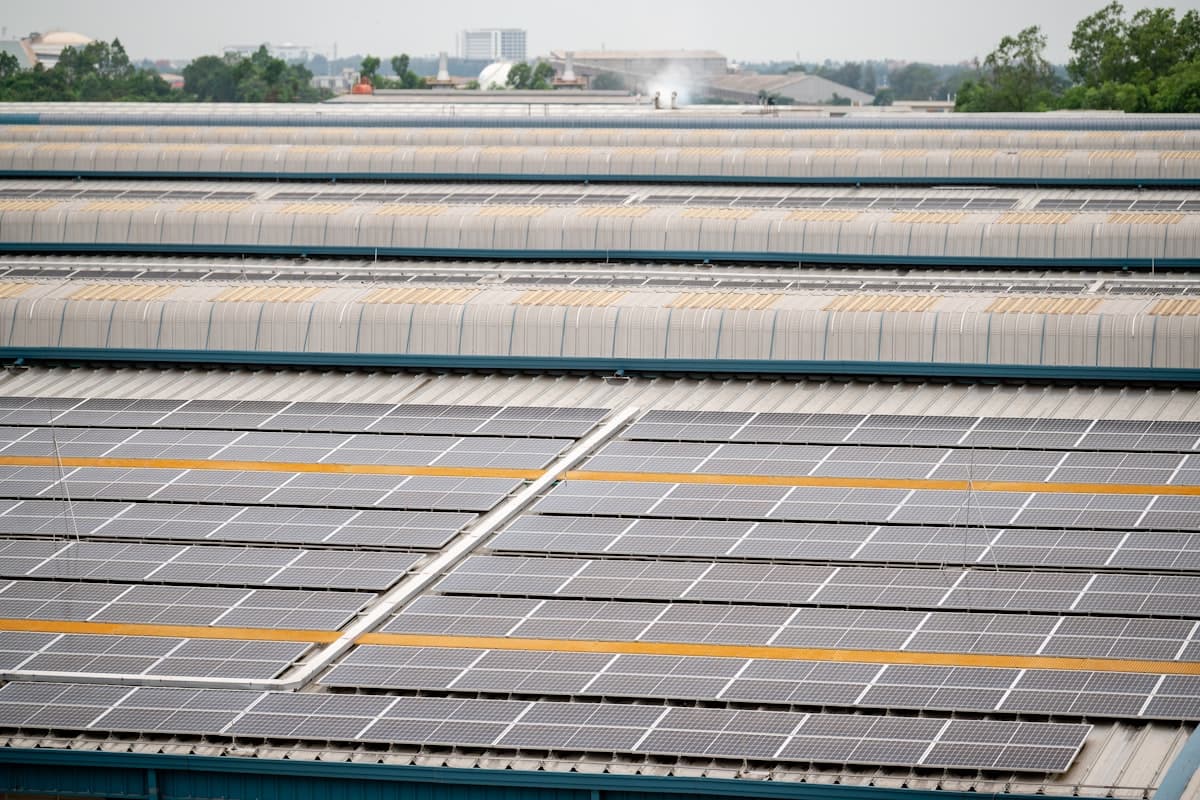
Solar technology costs have fallen dramatically. A commercial solar plus battery system in Nigeria in 2026:
| Component |
Typical Cost Range |
| Solar panels (per kWp installed) |
180,000 to 250,000 Naira |
| Battery storage (per kWh LFP) |
200,000 to 350,000 Naira |
| Inverters and balance of system |
80,000 to 120,000 Naira per kWp |
| Installation and commissioning |
15 to 20 percent of equipment cost |
Example: 300 kWp Solar + 200 kWh Battery System
| Item |
Estimate |
| System cost |
150,000,000 to 200,000,000 Naira |
| Monthly energy production |
36,000 to 45,000 kWh |
| Amortised cost per kWh (over 10 years) |
90 to 150 Naira |
| Monthly operational savings vs diesel |
12,000,000 to 18,000,000 Naira |
| Payback period |
3.2 to 4.2 years |
| Project IRR |
30 to 45 percent |
How Solar Economics Work
The math is straightforward. Solar panels generate electricity at near-zero marginal cost once installed. The economics improve as diesel prices rise:
| Scenario |
Diesel Cost/kWh |
Solar Cost/kWh |
Monthly Saving (30,000 kWh) |
| Diesel at 1,200 Naira/L |
380 |
120 |
7,800,000 |
| Diesel at 1,500 Naira/L |
475 |
120 |
10,650,000 |
| Diesel at 1,800 Naira/L |
570 |
120 |
13,500,000 |
Every diesel price increase makes solar more valuable, while solar costs remain fixed once installed.
When Solar Makes Most Sense
- Your facility has suitable roof or ground space for panels
- You currently run diesel for 8 or more hours per day
- You have predictable daytime energy consumption (offices, factories, warehouses)
- You want to lock in energy costs and hedge against future diesel and tariff increases
- Your business has ESG commitments or sustainability targets
The Combined Approach: Grid + Solar + Generator
For most Nigerian businesses, the optimal solution is not choosing one option but combining them intelligently:
| Power Source |
Role |
Typical Usage |
| DisCo grid |
Base load when available |
4 to 8 hours/day |
| Solar + battery |
Primary daytime supply, reduce grid and diesel dependency |
8 to 12 hours/day |
| Diesel generator |
Emergency backup only |
0 to 2 hours/day |
This hybrid approach typically achieves:
- 60 to 85 percent reduction in diesel consumption
- 30 to 50 percent reduction in grid costs (through net metering where available)
- Reliable 24/7 power without depending on any single source
- Total energy cost of 120 to 180 Naira per kWh, compared to 300 to 450 Naira for diesel-only
Regulatory Considerations
Self-Generation Exemption
Under Section 62 of the Electric Power Sector Reform Act 2005, businesses generating electricity for their own use are exempt from NERC licensing for systems below 1 MW. Three conditions apply:
- Total installed capacity must be below 1 MW
- Electricity must be consumed on the same premises where it is generated
- Power must not be sold to third parties
Net Billing (Effective June 2026)
NERC's Net Billing Regulations now allow approved "prosumers" to export surplus solar power back to the grid in exchange for bill credits. This applies to commercial and industrial solar setups between 50 kWp and 1.5 MWp with bidirectional meters.
DisCo Notification
Any solar system that connects to the DisCo grid (even for import only) requires DisCo notification before commissioning. Full grid defection systems have no DisCo notification requirement but should confirm disconnection in writing.
Financing Your Power Solution
The high upfront cost of solar is the primary barrier for most businesses. Several financing options are available:
| Financing Model |
Best For |
Typical Terms |
| Cash purchase |
Large manufacturers with available capital |
Highest ROI, 3 to 5 year payback |
| Bank project finance |
Mid-size businesses |
5 to 7 year tenor, 20 to 28 percent interest |
| Solar lease / OPEX model |
SMEs without capital for purchase |
Zero upfront, fixed monthly fee |
| DFI debt |
Large projects above 300 million Naira |
Longer tenor, lower rates |
The lease or OPEX model is particularly attractive for SMEs: you pay nothing upfront and receive clean, reliable power at a fixed monthly fee that is typically lower than your current diesel plus grid costs.
Making the Right Choice for Your Business
The best power strategy depends on your specific situation:
- What is your current blended energy cost per kWh? Most businesses do not know this number.
- How many hours per day do you actually receive grid supply?
- What is your monthly diesel spend?
- Do you have available roof or ground space for solar panels?
- What is your appetite for upfront capital investment?
Answering these questions with accurate data is the first step toward a power strategy that reduces costs and improves reliability.
Next Steps
Zenithwatts helps Nigerian businesses evaluate their complete energy position and design optimised power strategies. Whether the answer is Eligible Customer supply, solar investment, energy efficiency measures or a combination of approaches, our team provides data-driven recommendations grounded in Nigeria's regulatory and commercial reality.
Contact us for a comprehensive energy assessment.
 Articles